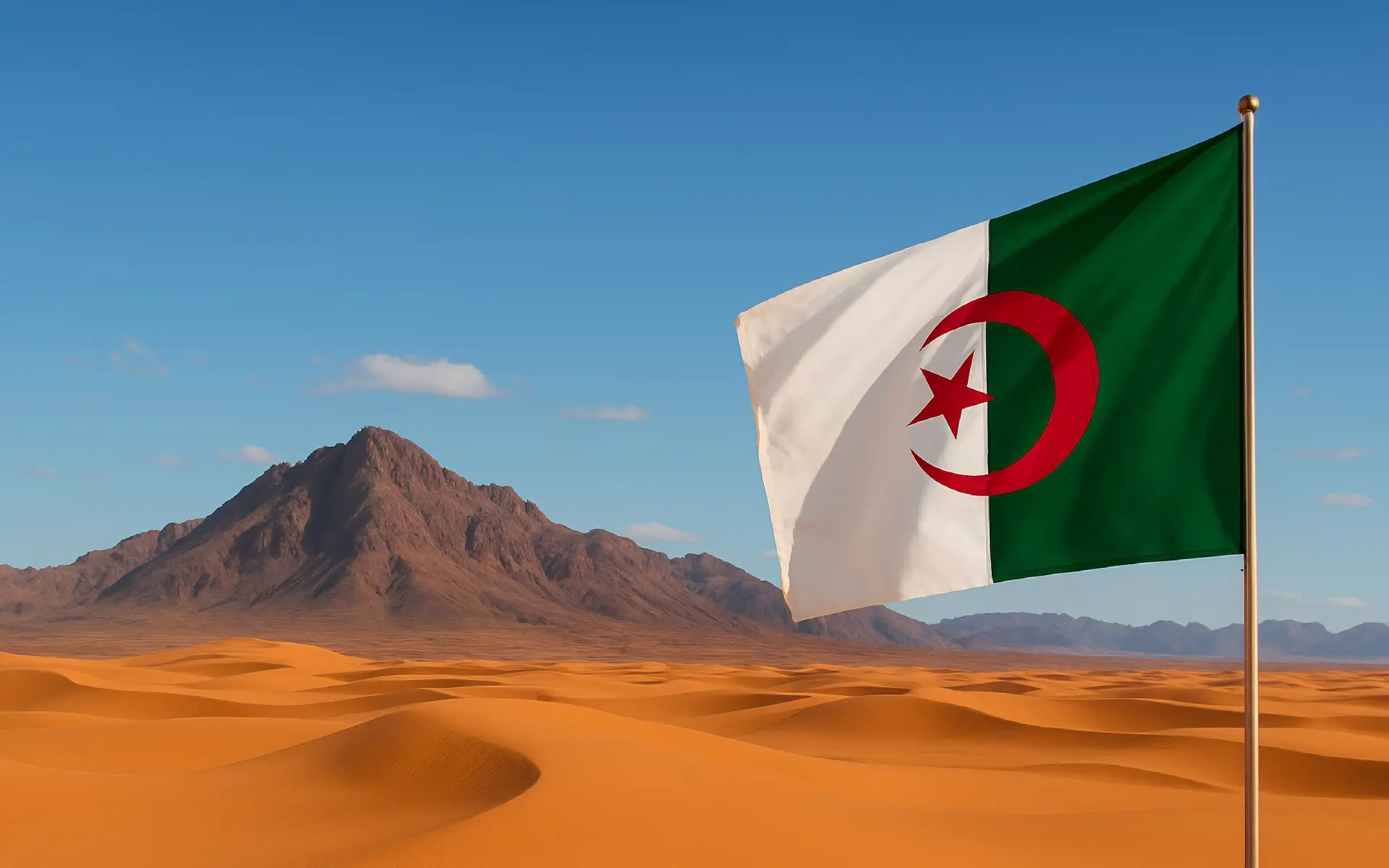


97 Interesting Facts About Serbia
Serbia, located in the heart of the Balkans, is a land of deep history, vibrant culture, and breathtaking landscapes. From the lively streets of Belgrade to the peaceful monasteries of Studenica and Žiča, Serbia blends ancient tradition with modern charm. Visitors can explore medieval fortresses, taste delicious Balkan cuisine, and experience warm Serbian hospitality. The country’s rivers, mountains, and festivals…


Belgrade Facts: 50+ Surprising Truths About Serbia
Located at the confluence of the Danube and Sava, Belgrade is a 7,000-year-old capital with a multifaceted personality. It earned the moniker “White City” from its pale limestone fortress, and has risen from ruins over 40 times in wars spanning history. Today Belgrade is a blend of old and new: Orthodox domes and Ottoman arches share streets with sleek towers…
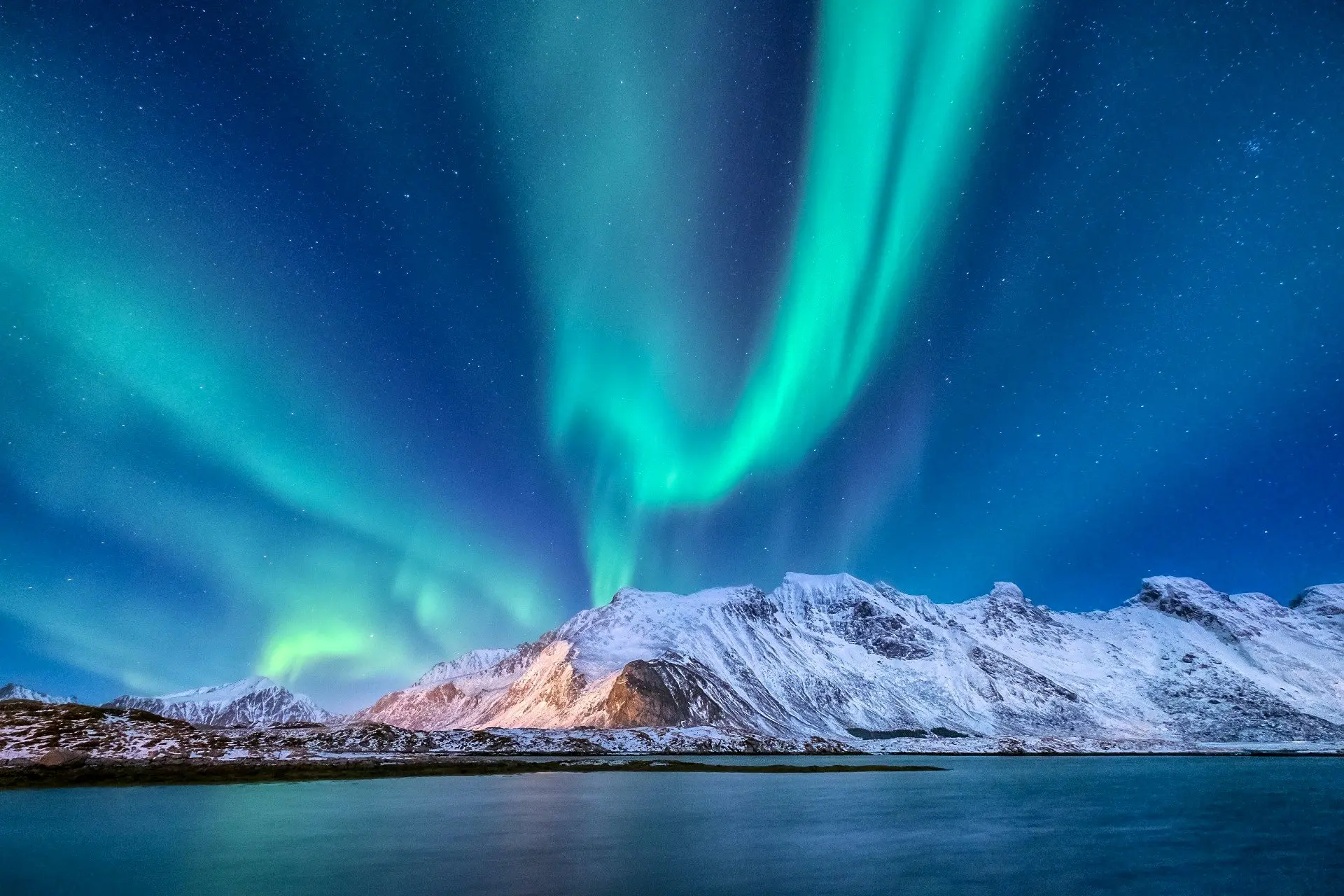
27 Destinations Disappearing in Our Lifetime
Even as this article catalogues looming losses, it stands as a call to awareness and action. By weaving global data with on-the-ground stories, it underscores one central truth: the window to experience these iconic places is closing, but not yet closed. Travelers and policymakers alike have a critical role. Visit with care, support conservation, and champion climate solutions – so…

Morocco: Interesting facts
Morocco is an enchanting land where African, Arab and European cultures converge. Known for its ancient medinas (Fez, Marrakech), blue mountain towns (Chefchaouen), and vast deserts (Sahara dunes), Morocco surprises with diversity. Fact-loving travelers discover it holds nine UNESCO World Heritage sites, hosts some of the world’s oldest human fossils, and even produces “liquid gold” – argan oil. Its cuisine…

Poland: Interesting facts
Discover why Poland captivates travelers and history buffs alike. It is home to the world’s largest medieval castle (Malbork) and Europe’s last primeval forest (Białowieża). Poland’s rich tapestry weaves together events from the 966 AD baptism of its first king to the Solidarity movement that ended communism. Visitors marvel at unique traditions – for example, celebrating a saint’s “name day”…

Historical misconceptions which we believe to be true
Many famous landmarks and historical figures come shrouded in popular myths: do Hollywood-style stories paint a distorted picture of the past? Our deep-dive guide for travelers debunks common legends – from Egyptian pyramids built by slaves to Vikings with horned helmets – using archaeological findings and expert research. It turns out Cleopatra was Greek, medieval knights bathed, and Lincoln didn’t…

City nicknames and the stories behind them
Cities earn colorful nicknames from history and culture: New York’s “Big Apple,” Paris’s “City of Light,” Pittsburgh’s “Steel City,” and more. Each has a story—often from journalists, poets or civic boosters. This guide uncovers 50+ such monikers worldwide, revealing surprising origins. Learn why Philadelphia is called the “City of Brotherly Love,” how Las Vegas became “Sin City,” and why Boston…

Why do we throw coins in the “FOUNTAIN DI TREVI”?
The Trevi Fountain’s coin-throwing ritual is one of Rome’s most famous traditions. This definitive guide explores why visitors toss coins into the fountain – tracing the practice from its ancient pagan water-offering origins through its role as a “wishing well” in legend, to its modern life in film and charity. Readers will learn the symbolism behind one, two or three…
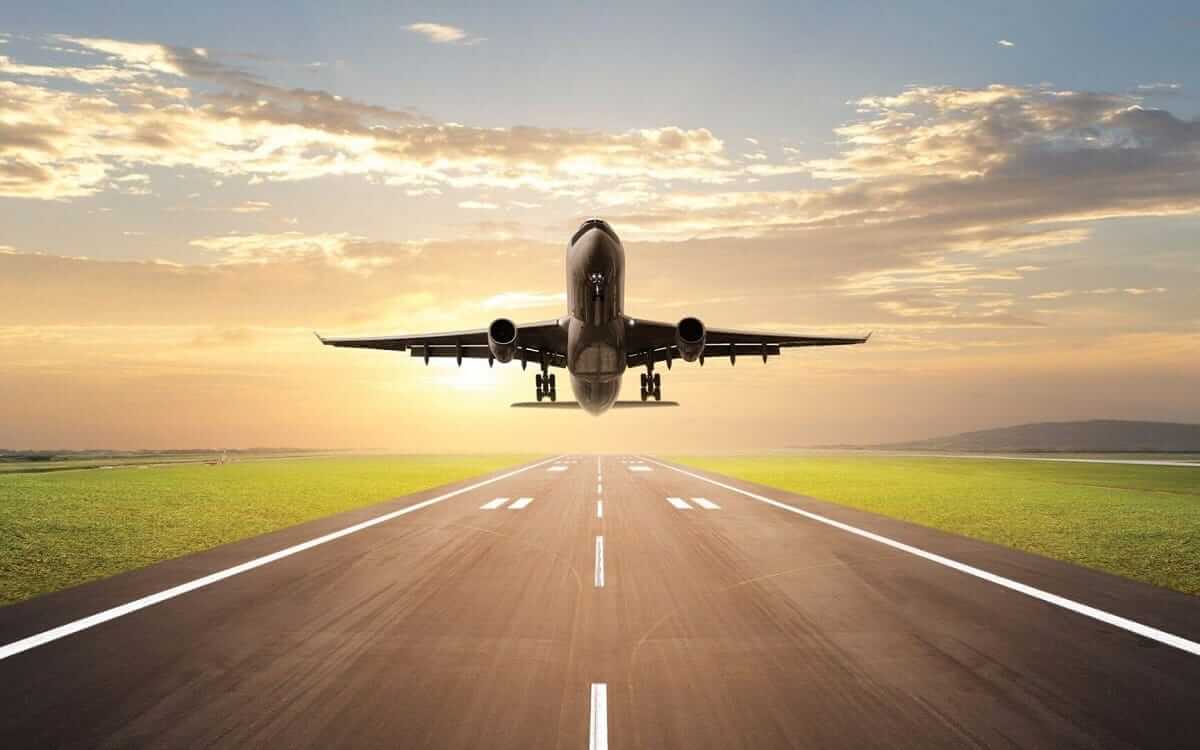
Flights: Questions and answers
Passengers often wonder why oxygen masks suddenly appear or why cabin lights dim on takeoff. These are not random quirks but carefully engineered safety measures. With input from pilots, engineers, and regulations, this guide demystifies common in-flight procedures. Learn how cabin pressure works, why you must put on your own mask first, and what happens when lightning strikes or an…

Sexual behavior during the holiday season
Across cultures and continents, the festive season reliably coincides with a surge in human intimacy. Large-scale analyses – from internet search trends to birth records – show that people worldwide are more sexually active during holidays like Christmas and Eid than at other times of year. Psychologists link this to a unique holiday mood: people feel happier, safer and more…