







Benátky, perla Jadranského mora
Benátky, pôvabné mesto na pobreží Jadranského mora, fascinujú návštevníkov romantickými kanálmi, úžasnou architektúrou a veľkým historickým významom. Hlavné centrum tohto…


80
porcie5
hodiny12
mesiace195
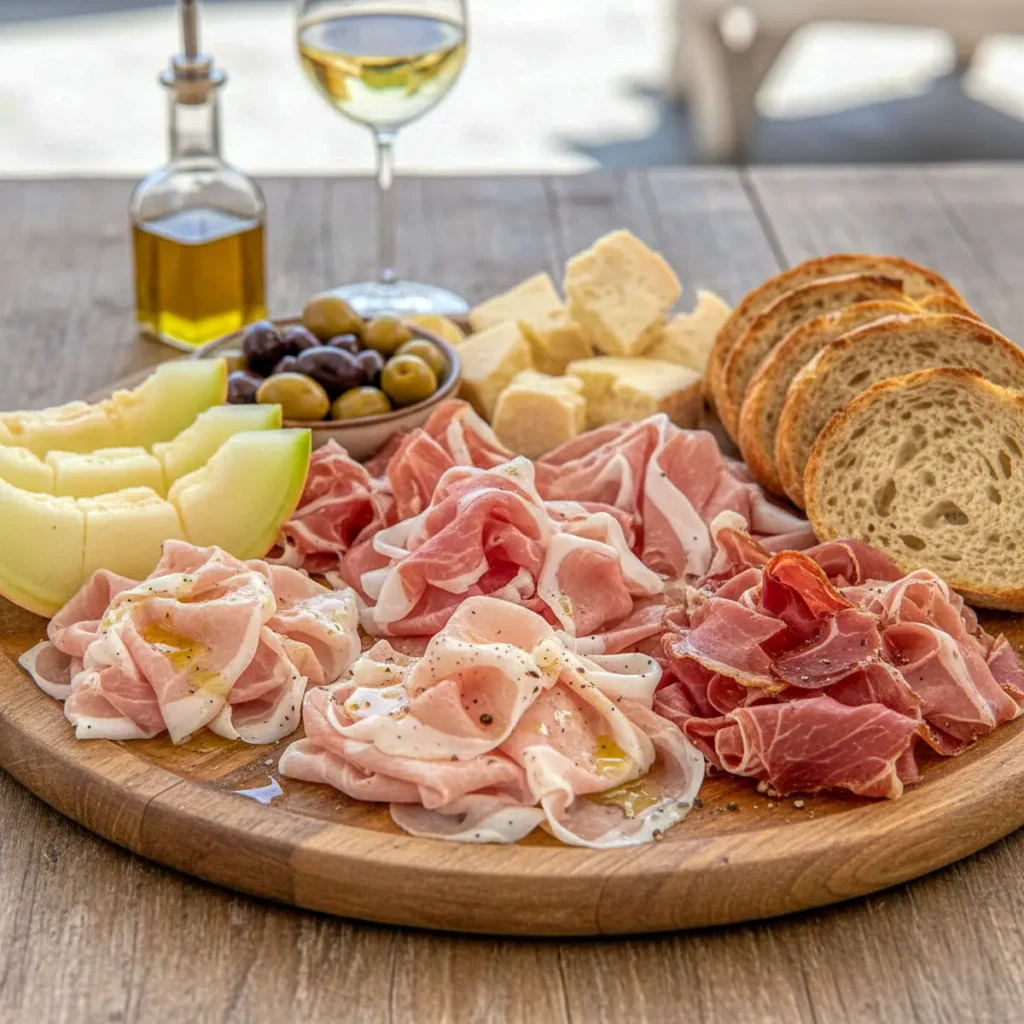
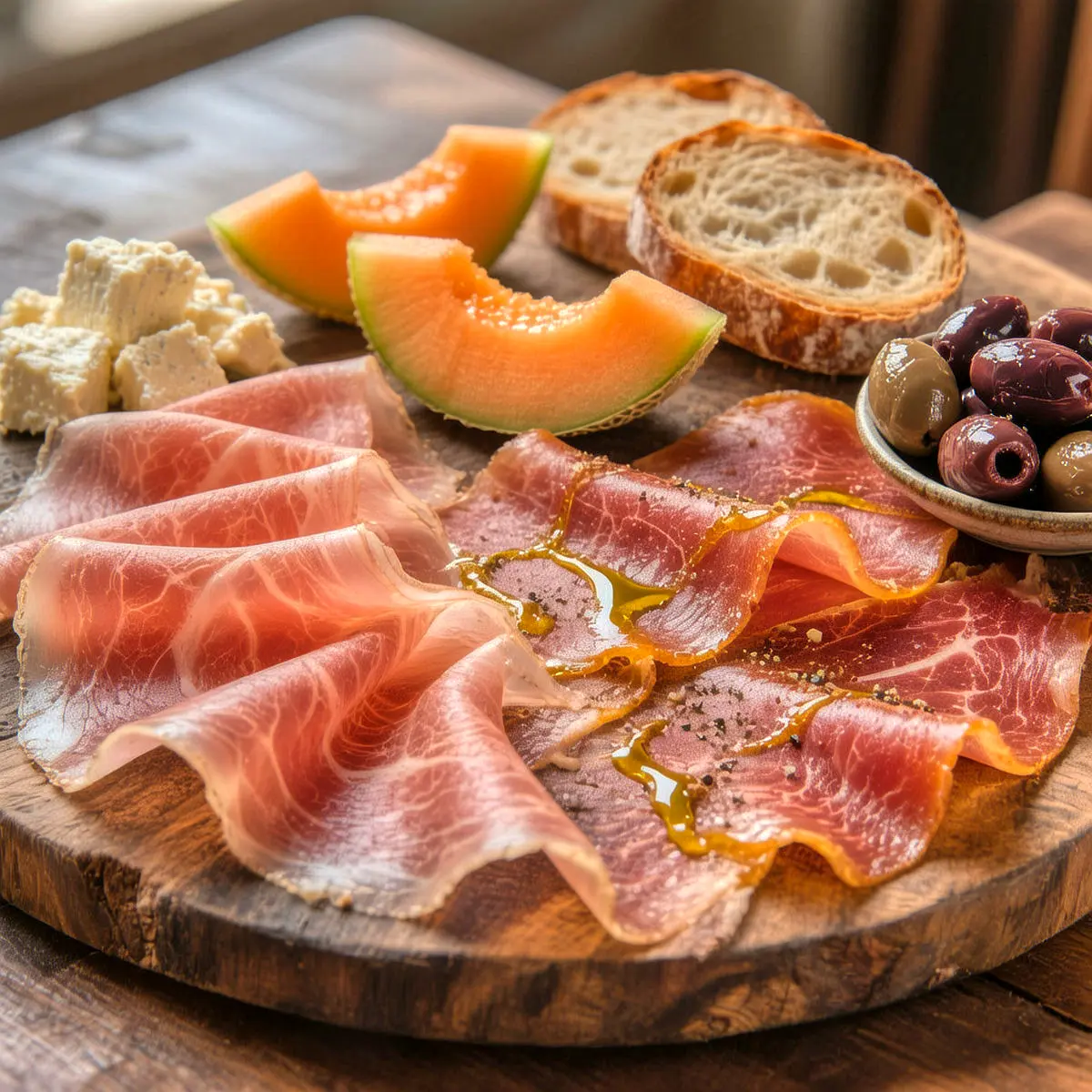
kcalProducing Croatian pršut at home is a project of ambition and patience, suited to those who appreciate the slow arts of charcuterie. The process begins with selecting a quality pork leg from a well-raised animal, followed by a careful salting phase that draws moisture from the meat while seasoning it gently. After several weeks under salt, the leg is cleaned, pressed to compact the flesh, and hung in a cool, well-ventilated space to cure for twelve to eighteen months. The Istrian method incorporates a brief cold-smoking phase early in the process, while the Dalmatian style proceeds through air-drying alone. A protective coating of lard, flour, and black pepper shields the exposed meat from insects and excessive drying during the warm months. The reward for this investment of time is a ham of remarkable depth: sweet, savory, and faintly nutty, with a silken texture that melts across the tongue.
1 whole pork leg, bone-in (10–14 kg / 22–30 lbs) — Select a rear leg from a heritage or well-raised pig; the quality of the meat determines the quality of the finished ham.
3–4 kg coarse sea salt (6.5–9 lbs) — Sea salt from the Adriatic, such as from the Pag or Ston saltworks, is traditional; the coarse texture allows for gradual moisture absorption.
30 g whole black peppercorns, coarsely crushed — Adds subtle heat and aromatic complexity during the salting phase.
5 fresh bay leaves, lightly crushed — Provides a gentle herbal note that permeates the meat over time.
8–10 garlic cloves, halved — Optional for the Dalmatian style; rub on the meat surface before salting for added depth.
500 g high-quality pork lard or rendered pork fat — Seals the exposed lean meat to prevent case hardening and insect intrusion.
250 g hladkej múky — Mixed with lard to create a paste that adheres to the meat surface.
50 g coarsely ground black pepper — Adds a protective layer while contributing subtle spice as the ham ages.
1 tablespoon sweet paprika — Optional; provides a russet hue to the exterior coating.
Wood chips: beech, cherry, or oak — Traditional Istrian smoking woods impart a delicate, sweet smoke character; avoid resinous softwoods.
Trim and Prepare the Leg (30 minutes)
Remove the trotter at the hock joint if still attached, and trim any ragged edges or excessive surface fat. Leave the skin intact on the outer (rounded) side; the exposed meat on the inner side will absorb the salt.
Apply the Initial Salt Rub (20 minutes)
Mix the coarse sea salt with crushed peppercorns and bay leaves. Rub the garlic halves over the exposed meat surfaces, then coat the entire leg generously with the salt mixture, pressing firmly into the flesh. Apply extra salt around the bone and aitch bone area, where spoilage risk is greatest.
Pack and Refrigerate Under Salt (21–35 days)
Place the salted leg in a food-safe container or on a perforated rack set over a tray. Store at 2–4°C (35–39°F) with moderate humidity (70–75%). Turn the leg every 3–4 days, reapplying any salt that falls off. The general rule: one day of salting per pound of meat (2.2 days per kilogram).
Drain and Equalize (7 days)
After the primary salting, brush off excess salt with a stiff brush. Do not rinse with water. Hang the leg in the refrigerated environment for one week, allowing the salt to distribute evenly throughout the meat.
Press the Leg (14–21 days)
Wrap the leg in clean cheesecloth or muslin and place it between two wooden boards. Apply 15–25 kg (35–55 lbs) of weight evenly across the top board. Store in the refrigerated environment, turning the leg and adjusting the cloth every 2–3 days. This step compacts the meat and presses out residual moisture.
Shape and Inspect (15 minutes)
Unwrap the leg and examine for any soft spots or off odors, which may indicate incomplete curing. The flesh should feel firm and slightly resistant. Re-trim any areas that appear questionable.
Prepare the Smoking Chamber (1 hour)
Set up a cold-smoking apparatus that maintains temperatures below 20°C (68°F). Load with beech, cherry, or oak chips. Proper ventilation is critical; the goal is gentle smoke exposure, not cooking.
Cold Smoke the Leg (10–15 days)
Hang the leg in the smoking chamber and expose to smoke for 4–6 hours daily over a period of 10–15 days. Monitor for excessive heat; if temperatures rise above 25°C (77°F), discontinue smoking until the chamber cools.
Apply the Protective Coating (30 minutes)
Blend the pork lard, flour, black pepper, and paprika (if using) into a thick paste. Apply this coating generously over all exposed lean surfaces, particularly where the skin has been trimmed away. The fat layer will be renewed as needed during the aging process.
Hang in the Curing Space (10–16 months)
Transfer the leg to a dedicated drying space with temperatures between 12–18°C (54–64°F) and humidity between 65–80%. Air circulation is paramount; use natural ventilation or a gentle fan to mimic the Bora wind. Hang the leg by the hock, with space around it on all sides.
Monitor and Maintain (ongoing)
Inspect the ham weekly for mold development. White mold is normal and beneficial; green, black, or furry molds should be wiped away with a cloth dampened in vinegar or wine. Reapply the protective lard coating every 2–3 months, or whenever cracks appear in the surface.
Test for Readiness (5 minutes)
After 12 months, insert a bone needle or slender skewer near the aitch bone, withdraw it, and smell. A sweet, nutty aroma indicates proper curing. A sour or ammonia scent suggests the ham needs additional time or has developed internal issues.
Slice the Finished Pršut (varies)
Using a long, sharp slicing knife, remove the protective coating from the area you intend to slice. Cut paper-thin slices against the grain, starting from the outer (rounded) side. Return the protective layer after slicing to prevent excessive drying.
Benátky, pôvabné mesto na pobreží Jadranského mora, fascinujú návštevníkov romantickými kanálmi, úžasnou architektúrou a veľkým historickým významom. Hlavné centrum tohto…
Vo svete plnom známych turistických destinácií zostávajú niektoré neuveriteľné miesta pre väčšinu ľudí tajné a nedostupné. Pre tých, ktorí sú dostatočne dobrodružní na to, aby…

Od samby v Riu po maskovanú eleganciu Benátok, preskúmajte 10 jedinečných festivalov, ktoré predvádzajú ľudskú kreativitu, kultúrnu rozmanitosť a univerzálneho ducha osláv. Odkryť…

Lisabon je mesto na portugalskom pobreží, ktoré šikovne spája moderné myšlienky s pôvabom starého sveta. Lisabon je svetovým centrom pouličného umenia, hoci…

Francúzsko je známe pre svoje významné kultúrne dedičstvo, výnimočnú kuchyňu a atraktívnu krajinu, vďaka čomu je najnavštevovanejšou krajinou sveta. Od návštevy starých…