

Najlepiej zachowane starożytne miasta: ponadczasowe miasta otoczone murem
Zbudowane z wielką precyzją, by stanowić ostatnią linię obrony dla historycznych miast i ich mieszkańców, potężne kamienne mury są cichymi strażnikami z zamierzchłych czasów.


6
porcje20
protokół90
protokół240
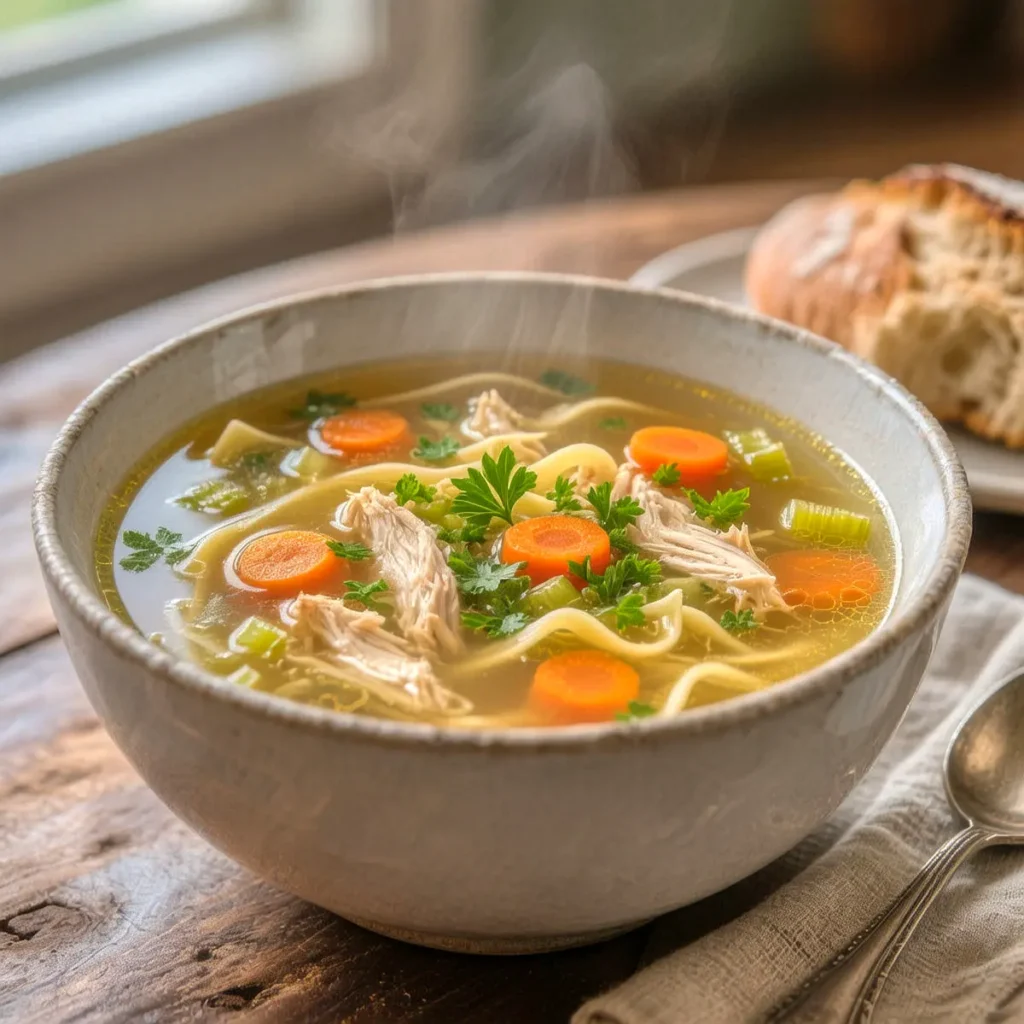
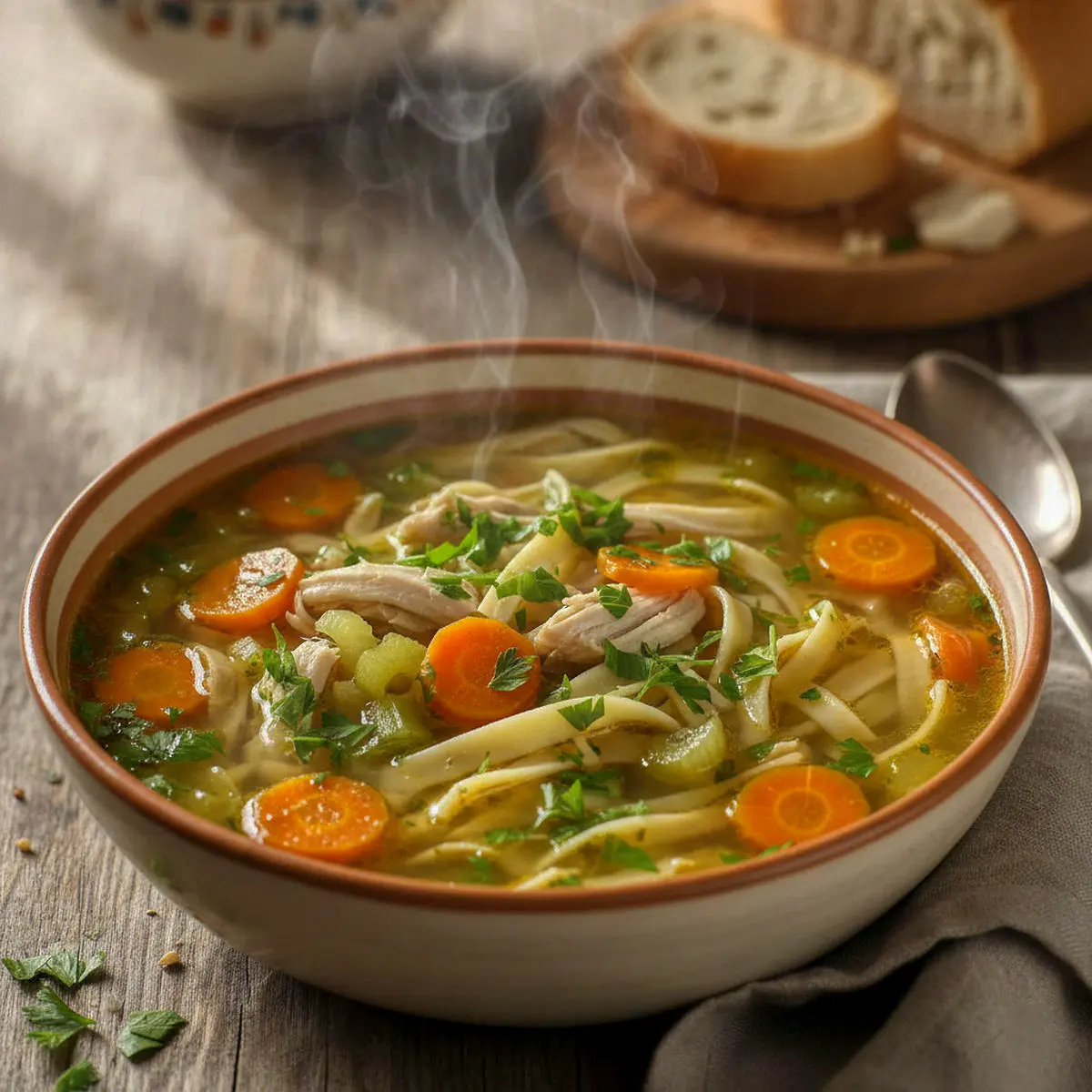
kalorieThis Croatian chicken soup delivers a clear, aromatic broth filled with carrots, parsnip, leek, and celeriac, finished with fine egg noodles and a little shredded meat. A whole chicken simmers slowly with root vegetables and spices, then the broth is strained, seasoned, and served with freshly cooked noodles for a light but satisfying starter. The method favors patience and gentle heat rather than complex techniques, with close attention to skimming and temperature control for a clean result. The recipe reflects a traditional Croatian Sunday soup—simple, economical, and deeply comforting—while providing detailed, reliable steps for today’s kitchen.
1 whole chicken (1.3–1.5 kg / 3–3.5 lb), bone-in, skin-on - Provides flavor, body, and a modest amount of meat for serving. Podstawienie: 1.5 kg mixed bone-in pieces (legs, thighs, wings, backs).
3 L water (about 12 cups), cold - Cold water helps draw flavor gradually and encourages a clear broth.
2 medium carrots (about 150 g), peeled, cut into large chunks - Add natural sweetness and color. Podstawienie: Use 1 large carrot if smaller ones are unavailable.
1 medium parsnip (about 80–100 g), peeled, cut into large chunks. Lends gentle sweetness and a slightly herbal note. Omit for allergy or strong dislike; add an extra carrot instead.
1 small celeriac (celery root), about 150 g, peeled, cut into large chunks - Brings a distinct, savory, celery-like depth common in Croatian soups. Podstawienie: 2–3 celery stalks with leaves, cut into pieces. Allergy note: Celery is a common allergen in some regions.
1 medium yellow onion, unpeeled, halved - The papery skin tints the broth a deeper gold; roasting is optional for added aroma.
1 small leek (white and light green parts), rinsed well, cut into 3–4 pieces - Adds mild onion flavor and sweetness; rinse thoroughly to remove grit.
8–10 whole black peppercorns - Provide gentle heat without sharp spice.
2 bay leaves - Add quiet herbal depth.
4–5 parsley stems (from a small bunch) - Infuse the broth with fresh, green notes without overwhelming it.
2–2½ tsp fine sea salt, divided (start with 1 tsp in the pot, finish to taste) - A light initial seasoning protects clarity; final seasoning adjusts flavor.
120–150 g (4–5 oz) very thin egg noodles or fine soup pasta - Traditional Croatian soups often use very fine, short-cut egg noodles. Gluten-free option: Use gluten-free soup noodles or cooked rice. Egg-free option: Choose wheat noodles without egg or gluten-free corn/rice pasta.
½–1 cup (60–120 g) shredded cooked chicken from the broth - Optional, for a more substantial bowl.
2–3 Tbsp finely chopped flat-leaf parsley leaves - Sprinkled at serving for fresh aroma and color.
Prepare the chicken and vegetables (10 minutes).
Rinse the chicken under cold water and pat dry. Cut carrots, parsnip, celeriac, and leek into large chunks; halve the unpeeled onion.
Combine ingredients in the pot (5 minutes).
Place chicken in a large stockpot and cover with 3 L cold water. Add carrots, parsnip, celeriac, onion, leek, peppercorns, bay leaves, parsley stems, and 1 tsp salt.
Bring slowly to a gentle simmer (20–25 minutes).
Set the pot over medium heat and warm gradually until small bubbles rise to the surface. Skim any gray foam or scum with a ladle or skimmer to keep the broth clear.
Simmer quietly for flavor and clarity (1 hour 15–20 minutes).
Lower the heat so the surface barely trembles. Cover partially and cook until the chicken is very tender and the broth tastes full and savory.
Remove chicken and vegetables (5–10 minutes).
Lift the chicken carefully to a tray and let it cool slightly. Use tongs or a slotted spoon to remove the vegetables and aromatics, reserving carrots and parsnip if serving them in the soup.
Strain the broth (5 minutes).
Line a fine-mesh strainer with a damp kitchen towel or paper towel and strain the broth into a clean pot or large bowl. Discard any remaining solids.
Defat the broth lightly (5–10 minutes, mostly resting).
Let the strained broth stand for a few minutes, then skim off excess fat from the surface with a spoon, leaving a thin layer for flavor.
Season the broth (3–5 minutes).
Return the broth to a clean pot, bring back to a gentle simmer, and taste. Add salt in small amounts until the broth tastes round and balanced.
Shred some chicken meat (5–10 minutes).
Once cool enough to handle, remove skin and bones from part of the chicken. Shred or cut ½–1 cup of meat into small bite-size pieces.
Slice reserved vegetables (5 minutes).
Cut the cooked carrots and parsnip into neat rounds or small cubes for serving, if using.
Cook the noodles separately (6–8 minutes or package time).
Bring a medium pot of lightly salted water to a boil. Add noodles and cook until just tender, then drain; this keeps the broth clear.
Assemble the bowls (5 minutes).
Place a small handful of cooked noodles, a few slices of carrot and parsnip, and some shredded chicken in each warm soup bowl.
Ladle and garnish (3 minutes).
Ladle hot broth over the noodles and vegetables. Sprinkle with chopped parsley and serve at once.
Zbudowane z wielką precyzją, by stanowić ostatnią linię obrony dla historycznych miast i ich mieszkańców, potężne kamienne mury są cichymi strażnikami z zamierzchłych czasów.
Lizbona to miasto na wybrzeżu Portugalii, które umiejętnie łączy nowoczesne idee z urokiem starego świata. Lizbona jest światowym centrum sztuki ulicznej, chociaż…

Od widowiska samby w Rio po maskową elegancję Wenecji, odkryj 10 wyjątkowych festiwali, które prezentują ludzką kreatywność, różnorodność kulturową i uniwersalnego ducha świętowania. Odkryj…

Analizując ich historyczne znaczenie, wpływ kulturowy i nieodparty urok, artykuł bada najbardziej czczone miejsca duchowe na świecie. Od starożytnych budowli po niesamowite…

Francja jest znana ze swojego znaczącego dziedzictwa kulturowego, wyjątkowej kuchni i atrakcyjnych krajobrazów, co czyni ją najczęściej odwiedzanym krajem na świecie. Od oglądania starych…
