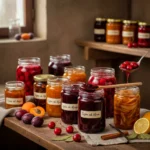
Along the limestone shores of the Adriatic, from Dalmatia up toward Kvarner, few seafood topics stir such strong feelings as date shells, or prstaci. These long, cylindrical bivalves (Lithophaga lithophaga) spend decades tunnelling into coastal rock, which gives their flesh a dense, almost sweet minerality. For generations, coastal families prized them as a rare treat: a handful of shells cooked very briefly with olive oil, garlic, white wine and parsley, often eaten at home rather than in restaurants.
That history carries a heavy shadow. To extract date shells, rocks must be cracked or broken apart, leaving scarred cliffs and bare sea beds where living communities once clung. Marine biologists have shown that this practice flattens complex underwater habitats and turns them into barren surfaces dominated by a few hardy species. For that reason, date shells are now strictly protected under the EU Habitats Directive and other agreements, and harvesting is banned along most of the Adriatic coast.
This dish treats prstaci as an important part of culinary memory rather than a shopping list item. The method and flavour profile come from traditional treatments of date shells and related shellfish along the Dalmatian coast, while the recipe itself uses sustainably harvested small clams, such as vongole or carpet-shell clams. The goal is simple: keep the character of the sauce and the very quick cooking that locals associate with prstaci, while shifting to shellfish that can be harvested without breaking rock or damaging protected reefs.
The flavour sits at the meeting point of brine, garlic and fresh herbs. Clams bring a clean, sea-rich liquor that pools in the pan; olive oil and a little butter round it out; garlic and chilli give a gentle edge. A short splash of white wine brightens the sauce, while chopped parsley adds a green, slightly bitter note that keeps the richness in check. The sauce clings lightly to each shell, with toasted breadcrumbs thickening the juices just enough to soak into grilled bread.
In coastal households, a pan like this often appears at the start of a long lunch: first a plate of shellfish, then a simple fish grilled over charcoal, perhaps a salad of tomatoes and onions, and a wedge of bread to pull up every last drop from the plate. It suits that role very well, yet it works just as neatly as a small, focused dish for a weeknight seafood meal. Once the clams have soaked and the aromatics are chopped, the actual cooking takes less than ten minutes.
This version keeps the ingredient list short and clear. The base is close to a classic buzara-style treatment used across the Croatian coast for shellfish: olive oil, garlic, parsley, wine, sometimes breadcrumbs. Here, the heat stays moderate, so the garlic softens without turning bitter, and the clams steam just until they open. A cook who pays attention to those two points gains velvety shellfish and a clear-tasting sauce that reflects the sea rather than hiding it.
One final point matters for any contemporary recipe that references date shells. Ordering or consuming prstaci in regions where harvest is banned directly supports destructive fishing and illegal trade. Modern cooks who value Adriatic food culture can honour this dish’s place in that story by choosing legal, responsibly harvested clams and treating them with the same care once reserved for prstaci themselves.
Important heritage note: Traditional versions of this dish used date shells (prstaci, Lithophaga lithophaga). Harvesting this species is banned across most of the Adriatic due to severe damage to rocky habitats. This recipe recreates the flavour and method using legal, sustainably harvested clams and should not be prepared with date shells.