Begrensede riker: Verdens mest ekstraordinære og forbudte steder
I en verden full av kjente reisemål, forblir noen utrolige steder hemmelige og utilgjengelige for folk flest. For de som er eventyrlystne nok til å…


Visiting a place immortalized on screen can be a moving pilgrimage for fans and travelers. A filming location – a real-world setting used in a movie or TV shoot – brings stories to life far beyond a studio backlot or set. Filmmakers often choose authentic sites for their “on location” shoots because real streets, monuments or landscapes lend an irreplaceable atmosphere to the story. Film tourism has grown into a global phenomenon: one study estimated that 80 million people traveled in 2017 to destinations inspired by movies or TV shows. In New Zealand alone, Hobbiton tours expect roughly 570,000 visitors in a season, while a recent study found Game of Thrones drove about 60,000 annual visitors to Dubrovnik. Such numbers show the economic and cultural power of the screen’s backdrop. In this guide, we explain the difference between locations and studio sets, highlight 40 landmark film sites worldwide, and give practical tips and context so readers can actually visit these movie-famous places.
Innholdsfortegnelse
These sites were selected for global recognition, cinematic importance, and accessibility to visitors. Criteria included iconic status (multiple hit films or a cult following), unique scenery or architecture, and how well-preserved they are today. We favored real locations viewers can visit over private studio lots, though we do cover some major backlot tours separately. Finally, each pick blends “story” with “travel” – not just a photo op, but a living place with its own history. Below is the ranked list, mixing classics and surprising gems:

In Peter Jackson’s Lord of the Rings (2001–03) and The Hobbit (2012–14), the lush New Zealand farmland around Matamata doubled as the Shire – the idyllic home of the Hobbits. On-site Hobbiton tours run daily on the Alexander family farm. Guides lead visitors past thatched Hobbit holes, the flower-bordered Bag End (Bilbo Baggins’s home) and the Green Dragon Inn, all built originally for the films and later maintained as permanent fixtures. The whole 1,250‑acre farm is now an immersive set: for example, Bagshot Row is the main movie “village” street, and the millhouse, stone bridge and glittering party tree are all intact. Visitors must book in advance; tours (with pub-style lunch) cost about NZ$120–150 (adults) and the village is open year-round. It draws fans worldwide – roughly 570,000 visitors per year are expected here. (Overseas Hobbiton tourists alone contributed about NZ$2.6 billion to the local economy recently.)
Tips for besøkende: Matamata is accessible by road; most travelers fly into Auckland and drive ~2 hours. Allow 2–3 hours for the guided tour. Peak season (NZ summer) is busy; morning tours can avoid afternoon crowds. The farm is private property, so tours (mandatory) keep the site pristine. Beyond the set, the nearby town of Matamata has LOTR-themed restaurants and museums.

The curving Glenfinnan Viaduct (Highlands, Scotland) is instantly recognizable as the bridge the steam train Hogwarts Express rattles over in the Harry Potter films. The 21-span railway viaduct (built 1897–1901) carries the Jacobite Steam Train on the West Highland Line. The Harry Potter movies (from Chamber of Secrets onward) featured the train crossing Glenfinnan at sunset, backed by Loch Shiel and mountain ridges. Today the Jacobite Steam Train still runs (April–October) and many tourists join the ride specifically to relive that scene. According to VisitScotland, “the magnificent Glenfinnan Viaduct [is] a key location in the Harry Potter films”. The area around Glenfinnan station (souvenir shop, visitor center and monument to Bonnie Prince Charlie) is open year-round. From the station you can walk up the hill or take a shuttle to a viewing point for photos of the train crossing (recommended).
Visitor snapshot: Glenfinnan Station (Hollyrood, PH37 4LT) lies at the viaduct’s south end. Parking and a small cafe are available. The best photo spot is a short climb from the station or from the hill above Glenfinnan Monument (both south-east of the bridge). Check Jacobite Steam (formerly West Coast) schedules; trains run about twice daily in summer. Beware of ticket scalpers – book well in advance if you want a ride. An alternative is the ScotRail line (the Caledonian Sleeper also crosses the viaduct in winter). Winter sunrise or summer sunset give the most dramatic light on the arches.

Aït Ben Haddou (a UNESCO-listed ksar near Ouarzazate) is one of cinema’s grandest desert backdrops. This 11th-century clay-built fortress town hosted over 20 films, including Laurentius av Arabia (1962) and Gladiator (2000). Its ochre towers and long earthen ramparts instantly evoke distant eras. More recently, HBO’s Game of Thrones used it to stand in for Yunkai in Season 3. Filmmaker Ridley Scott also shoots frequently at nearby Ouarzazate’s studios (often called “Morocco’s Hollywood”), but Aït Ben Haddou itself is open for self-guided visits. Parts of the old village are still inhabited by local families.
Visitor snapshot: From Marrakech or Casablanca, Ouarzazate is about a 3–4h drive; Aït Ben Haddou lies 25 km from Ouarzazate. Entrance to the site costs a few dollars (local currency). Visitors wander the old town alleys and climb to the ruined kasbah walls for 360° views. Photo ops abound (the kashba’s stepped skyline is especially pretty at sunset). There is no strict set of movie-specific tours, but many local guides will give behind-the-scenes trivia. Note that filming may still occur here, so some parts can be cordoned off.

Petra – the rose-red canyon city of southern Jordan – doubled as the Lost Temple in Indiana Jones and the Last Crusade (1989). In the film’s finale, Indy and Sallah ride horses through Petra’s narrow gorge (the Siq) and emerge before the Treasury façade, which stood in as the Grail Temple. In reality, Petra’s Al Khazneh (“the Treasury”) is a 1st-century tomb carved from sandstone. The same site later appeared briefly in Dune (2021) to portray part of the desert landscape. (Peter O’Toole’s Laurentius av Arabia also filmed nearby ruins in Jordan, underscoring how this region captivated filmmakers.)
Visitor snapshot: Petra is Jordan’s top tourism draw – about a million people enter annually. The city is about 2.5 hours from Amman by road. Visitors pay an entry fee (approx. JD50 one-day, or buy a Jordan Pass) and walk 20 minutes through the Siq to the Treasury. The Treasury façade is now protected by a small shelter (to preserve carvings), but looks much as on film. After the Treasury come dozens more tombs and temples; a 1-2 day visit is common (you can even stay overnight in Petra town). The Siq’s narrow canyon corridors mean sunlight hits the Treasury mid-morning; early or late photos capture more color. Guided tours are recommended to learn Nabataean history, and donkey carts are available for the entrance step.

Not far from Petra lies the Martian landscape of Wadi Rum, Jordan’s dramatic sandstone desert. Famous directors love Wadi Rum: it starred as Mars in The Martian (2015), and Lawrence of Arabia’s T.E. Lawrence also shot scenes here. Wadi Rum’s red-rock dunes and sheer cliffs have also appeared in Stjernekrigen (“Luke’s desert”), Transformer movies and Denis Villeneuve’s Dune (2021). Unlike Petra, Wadi Rum is a larger protected area where you explore by guided jeep or camel rather than a fixed walking trail.
Visitor snapshot: Tours depart from the village of Wadi Rum (Rum Valley), with 1–3 day options. 4×4 tours let you see the famous natural arch (Lawrence’s Spring) and red sand sea. Camping in Bedouin tents under the stars is a popular experience. Filming sites are largely the wide plains and sand dunes; the entire park is open to visitors (with permit). Officially “open desert”, anyone can enter Wadi Rum, but off-road driving is restricted to preserve the fragile environment. Local Bedouin guides provide much interpretation. The region is best visited in cooler months (spring/fall); summer heat (over 40°C) can be extreme.

Villa del Balbianello, a grand 18th-century lakeside villa on Lake Como, is famous among movie buffs for its appearance in Star Wars: Episode II – Attack of the Clones (2002) and James Bond: Casino Royale (2006). In Star Wars II, the gardens around the villa serve as the farewell banquet scene of Anakin and Padmé. Bond aficionados will recall the scene at the lakeside villa where Bond (Daniel Craig) proposes marriage to Vesper (Eva Green). The villa is privately owned but managed as a historic house museum (by FAI, Italy’s heritage foundation).
Visitor snapshot: The villa can only be reached by boat (hourly ferry from nearby towns) or a 30-minute walk on footpaths along the lakeshore. Guided tours of the villa interior run daily (closed Mon/Tues), focusing on antique interiors and the garden vistas. A film-tour highlight is to stand on the lakeside terrace as seen in Casino Royale. Combine your visit with a garden walk (the terraced gardens afford great views of Lake Como, featured in the films). Peak summer months see crowds, so morning visits are recommended. Tickets must be bought on-site; group tours and special events (weddings) also occur here.

The walled city of Dubrovnik became globally famous as King’s Landing in HBO’s Game of Thrones. Many iconic scenes – from massive battles to street intrigue – were shot on Dubrovnik’s old city walls, forts and alleys. For instance, the Drop of King procession, and the walk of shame, took place on the city’s Pilgram Steps and narrow thoroughfares. (Separately, Dubrovnik’s baroque facades even cameo in Star Wars: The Last Jedi.) The result: tens of thousands of GOT fans now flock here every year. Studies show 244,000 fans visited Dubrovnik from 2012–15 specifically because of the show, spending €126 million in that period. Much of the walled Old Town is pedestrian-only and operates like an open-air film set.
Visitor snapshot: Tours of Game of Thrones filming locations are widely available, but you can also explore independently. Major landmarks: Fort Lovrijenac (the Red Keep), Pile Gate (various scenes), and the Jesuit Staircase (walk of shame). The city walls offer the best view of multiple film sites in one loop. Entry to Dubrovnik’s walls costs about 200 HRK (peak-season). The city center itself is freely accessible (though narrow, so watch for crowds of tourists in summer). Forsiktighet: crowding is a major issue. Dubrovnik limits cruise ships per day, but popular spots can still have hours-long queues. Early morning or late afternoon visits help avoid the worst crowds.

Baroque Salzburg serves as the enchanting backdrop for The Sound of Music (1965). Key scenes were filmed throughout the city and surrounding Alpine foothills. Famously, the gazebo duets (“Sixteen Going on Seventeen”) were shot at Hellbrunn Palace grounds. Other scenes use the Salzburg Museum, the Mirabell Gardens (Do-Re-Mi song), and even a lake-side villa (Schloss Leopoldskron) as the family home. Salzburg tourism has long capitalized on this legacy: the tourist board notes that guests “from all over the world” still visit specifically to see Sound of Music locations.
Visitor snapshot: EN Lyden av musikk “movie steps” tour is an optional add-on to regular city tours; you can also see major sites on your own. Helmuth Hellbrunner’s gazebo in Hellbrunn is publicly accessible (fees for entry to the Hellbrunn park apply). The Mirabell Palace gardens are free to stroll. If time allows, the lake at Leopoldskron Palace (north of town) can be visited by boat trip. Salzburg is compact – all sights are reachable on foot or with a single bus ticket. Peak filming scene locations often have informational plaques. Summer is the busiest tourist season (so audiences in Salzburg’s Sound festival often coincide with film buffs).

No film-location list is complete without New York City. Legendary locations across Manhattan – and especially Central Park – have been featured in hundreds of films. Indeed, the Central Park Conservancy notes the park “has been the filming ground for hundreds of movies,” and even calls it “the most popular filming destination in the world”. Scenes range from romantic (Satine’s violin in Moulin Rouge! on the Bow Bridge) to comedic (Home Alone 2 on Gapstow Bridge) to dramatic (The Avengers assemble at Bethesda Terrace). Other iconic NYC sites (Grand Central Station, Times Square, Brownstone streets, etc.) appear so often that locals regard the city itself as a character on screen.
Visitor snapshot: Most Central Park scenes have no admission fee (the park is open daily). Tourists often take Central Park on Film walking tours (many guides will show Bethesda Terrace, Bow Bridge, Gapstow Bridge, the Mall and Umpire Rock). For example, Bethesda Terrace’s grandeur appears in The Avengers og When Harry Met Sally. The Gapstow Bridge by the zoo is famous from Home Alone 2. Outside the park, Times Square (featured in Vanilla Sky) and Rockefeller Center (featured in Elf) are must-see. Film buffs can carry an NYC movie map or use the SetJetters app to find exact addresses. Weekdays early mornings are best to dodge crowds. (In short, literally anywhere in Manhattan might have a movie connection – be sure to look up your favorite film’s locations!)

Griffith Observatory looms over Hollywood, not just for its panoramic city views but as a film landmark. The 1955 drama Rebel Without a Cause immortalized its modernist terraces as the spot of a famous youth fight scene. More recently, the observatory’s art-deco planetarium was the site of the romantic date in La La Land (2016). Its Hollywood-sign backdrop and Art Deco architecture make it instantly recognizable on screen.
Visitor snapshot: The Observatory is free to enter (planetarium shows cost extra). It’s located in Griffith Park, reachable by car or several LA hiking trails. Popular filming spots: the circular courtyard at the front (Rebel Fight! scene) and the white stairway (La La Land montage). Fans often re-enact photos on the lower plaza. Peak times (evenings) get busy, so morning visits offer clearer views and more space. Be aware that the Observatory closes mid-evening (check posted hours). Parking in the lot can fill up – there is a shuttle from the Greek Theatre parking on weekends.

The Timberline Lodge on Mount Hood (near Portland) is an American historic landmark that The Shining (1980) used to represent the Overlook Hotel’s exterior. Every wide shot of the Overlook’s ski-lodge façade is actually Timberline’s rustic stone-and-timber building. The snowy Oregon wilderness scenes give the film its eerie isolation. Today the lodge is an all-season ski resort with 2 million annual visitors, but fans still thrill to stand before the iconic exterior.
Visitor snapshot: Timberline Lodge is about a 1-2 hour drive east of Portland. The ski resort is open year-round (parking is free, some road closures possible in winter). Guests and non-guests can enter the lobby cafe/bar – this is the interior filmed in The Shining (the “snow goose” weather vane above the fireplace is visible). Outside, the mountain’s summit road loops in front of the lodge – exactly where Jack Torrance’s car stops in the film. Photographers should note summer foliage looks different from the movie’s snow; for the Shining vibe a winter visit or early spring (with remaining snow) is best. The lodge even sells Shining memorabilia (though it’s not officially affiliated with the Stanley Kubrick estate).

Iceland’s wild scenery has attracted many Hollywood crews, and Skógafoss is one of its most scenic locations. This 60-meter-wide waterfall on the south coast appears (or its surroundings appear) in multiple films and shows. Game of Thrones filmed scenes near Skógafoss (the Grjótagjá cave scene is close by). The waterfall was also in scenes from Prometheus, Thor: The Dark World, The Secret Life of Walter Mitty and others. Its lush cliffs and roaring cascades exemplify the Icelandic landscape that stands in for anything from Hoth (Stjernekrigen) to Asgard (Thor).
Visitor snapshot: Skógafoss is freely viewable from a parking area off Route 1 (the Ring Road), just north of the small town Skógar. A footpath leads right to the base of the falls (warning: spray can drench visitors!). For a view from above, 527 steps climb a nearby cliff to the top plateau (accessible May–Oct). No permit or tour is needed. Many travelers combine Skógafoss with Seljalandsfoss (another waterfall 30 min away) in a day trip. Because it’s on the road popular with tour buses, early morning or late evening visits are best to avoid crowds. (Pro tip: a rainbow often appears at Skógafoss in sunlight.)

The limestone karst landscape of Ninh Bình province – often called “Halong Bay on land” – starred in Kong: Skull Island (2017). In the film, Kong rampages through the flooded cave system of Tràng An and its towering ochre peaks. One memorable shot is a massive limestone cliff marked with a bloody handprint. This otherworldly scenery earned global attention through Hollywood, boosting tourism in rural Vietnam.
Visitor snapshot: The Tràng An Scenic Landscape Complex (a UNESCO site) is open to the public. Visitors typically hire a motorboat to drift along the Ngo Động River through cave tunnels. From the docks you can climb trails to panoramic viewpoints (the viewpoint called Mua Cave has that famous Kong-overlook shot). There are entry fees (around USD 10–15). Guided Skull Island tours exist, but independent travel is easy: local boats take small groups through the main grottoes. The lighting in the caves can be dim, so wear a hat with a light or bring a flashlight to see the red-sandstone interiors. Ninh Bình is best visited from March–September (dry season); during monsoon months river levels are too high for some tours.

Australia-born Mad Max found a new home on the red sands of Namibia. Mad Max: Fury Road (2015) filmed most of its desert chases in the Namib Desert near Swakopmund. Director George Miller chose these dunes and dry riverbeds to double for the Australian Outback. Even the salt pans around Walvis Bay appear in the movie. Locals nickname the area the “Fury Road” landscape, and it’s become a point of pride for Namibian tourism that Hollywood used their plains.
Visitor snapshot: The Namib Desert is vast; the Fury Road scenes center near the towns of Swakopmund and Walvis Bay (a 2h drive west of Windhoek). There are no marked “Mad Max attractions” on site (it’s simply open desert), but adventure tours now include stops at the dunes and dry valleys used in filming. For example, some 4×4 tours take you over the hardpan where trucks roared in the movie. The tallest dunes (Sossusvlei) were ikke used in the film (those are in southern Namibia), but a scene with flipping cars was shot on dune flats north of Swakopmund. Visitors should treat it as a regular desert experience: bring water, sun protection and a 4×4 vehicle. Swakopmund tourism offices can direct fans to sightsee. Sunrise or sunset on the dunes (with red sand backlight) yields peak Fury Road vibes.

The steep front steps of the Philadelphia Museum of Art are world-famous thanks to Rocky (1976). In the film, boxer Rocky Balboa (Sylvester Stallone) triumphantly runs up the 72 stone steps to reach the museum at sunrise. A bronze statue of Rocky (commissioned for Rocky III) stands at the bottom of the steps. Visiting tourists treat this as a must-do – as VisitPhiladelphia.com puts it, “Running up the steps… is a must on any first visit to Philadelphia”.
Visitor snapshot: The Museum itself (2600 Benjamin Franklin Parkway) is open to the public (admission fee), but you need none of that to experience Rocky. The steps and statue are open 24/7, and thousands flock here each year to recreate the iconic pose with arms raised. No reservations are needed. The Rocky statue (at the southwest corner of the plaza) is popular for photos. Nearby, the “Rocky” trail includes Italian Market, Pat’s King of Steaks (where Rocky got a sandwich), and other film locations (there are guided Rocky tours). Weekday mornings have fewer crowds. Note: The statue was originally elsewhere and moved to this spot in 2006, but fans don’t mind because everything is adjacent.

Mount Rushmore’s carved presidential faces served as the climactic backdrop for Alfred Hitchcock’s North by Northwest (1959). In this classic thriller, Cary Grant and Eva Marie Saint’s characters scamper across mock-ups of the four colossal heads. (The film actually used a studio model for closeups, but the real Rushmore looms in the distance.) As one critic notes, “the stone face of Mount Rushmore [becomes] a setting for perilous pursuit” in the film, adding one of cinema’s most iconic chase sequences.
Visitor snapshot: Mount Rushmore (near Keystone, SD) is a national park with public trails and viewpoints around the monument. There is no admission fee (state park entrance fee applies). The best view of the faces is from the viewing plaza 150 yards from the base. Fans will enjoy imagining Grant on that plaza. (Hitchcock’s film led to a ‘no-climbing’ rule here.) The visitor center and museum have occasional North by Northwest film clips playing. Keep in mind weather: the park is open year-round but winter snow may block access to higher vantage points. A souvenir shop near the exit sells prints of the famous Rushmore-NorthbyNorthwest photo (Hitchcock on the site) to complete the experience.

Many film-lovers plan multi-day trips to cover several sites in one region. Below are example itineraries by continent, each highlighting 4–7 days of must-see stops and logistics:
Each itinerary above can be tailored (family-friendly hotels, budget backpacking, luxury cruises, etc.). Key tips: Group popular sites in nearby areas, always check local transit (some film sites are off-road), and allow rest days – movie-set travel can involve long drives or hikes.

Research and mapping: Start by identifying your film and location keywords. Sites like Movie-Locations.com or WikiShots list dozens of shooting sites per film. Official film commission websites often publish shooting permits and sometimes give coordinates. For precise geolocations, user-curated apps like SetJetters and crowdsourced Google My Maps are invaluable – you can drop pins exactly where scenes were shot. For example, fans map Luke’s house from Stjernekrigen on green land (it was in Matamata, NZ), or the exact gazebo stone from Lyden av musikk in Hellbrunn. Always verify with multiple sources: a travel blog might point to “the hill where Anakin and Padmé danced” (Villa Balbianello), but Google Street View or local guides can confirm access routes.
Permissions and safety: Most open-air locations (parks, streets, public parks) allow photography, but rules can vary. UNESCO sites like Petra or Angkor may forbid tripods without a permit, so check posted rules or ask guards. Private estates (Hobbiton, historic villas) usually require buying a tour ticket; photographing is fine but droning is typically banned. For drone filming or recreating scenes, you often need a special permit from the site’s authority. Always respect “No Trespassing” signs on private land – many historically famous houses (e.g. The Godfather houses in Sicily) are off-limits even if they appear in media. Check up-to-date travel advisories: in some regions (parts of Latin America, Middle East, Africa) safety can change quickly. Travel insurance that covers cancellations is wise, as film-site tourism is often weather-dependent (e.g. glacier access, desert heat, monsoon rains).
Hva du skal pakke: A good camera or smartphone (for side-by-side re-creations), sturdy footwear (many sites are rugged or uneven), water and sun protection for deserts or snow; even a small umbrella can help with shifting weather. If shooting photos at crowds (e.g. Hollywood Walk of Fame or Red Carpet premiere sites), consider a lightweight tripod – but know the local rules for tripods. In national parks (Namibia, Iceland, New Zealand, etc.) you’ll need field-appropriate gear. Check local climate: Winters can be harsh (Canada’s Banff Last of the Mohicans sites, Norway in Ex Machina), summers can be sweltering (Jordan, Namibia). Also pack patience – getting the perfect unobstructed shot at a popular filming spot may involve waiting or revisiting at an off-hour.

Studio vs. location tours: Studio tours (e.g. Warner Bros Hollywood, Universal Studios, or LOTR’s Weta Cave in NZ) offer polished behind-the-scenes access (sets, props, even ride experiences). They’re often ticketed and operate daily. On-location tours are smaller and led by local guides (like Rome’s Godfather tour or New Zealand’s Hobbiton tour). Before booking, read reviews carefully: reputable tour companies will have clear safety info, cancellation policies, and insurance. Platforms like Viator, GetYourGuide or TripAdvisor list many such tours (often with professional photos and user Q&A).
How to pick a good tour: Look for guides with film or local-history credentials. Question whether a tour is really filming-focused or just a generic city tour with a line “Movies were here.” For example, some “GOT Dubrovnik” tours stick strictly to sets, while others are broader local-history tours with a passing mention of Game of Thrones. Ask if photography stops are included or just drive-bys. Beware extreme group sizes; 10–15 people per guide is ideal for flexibility. Finally, confirm what’s included: e.g. does a Star Wars Crete tour include entrance to the Greek sites, or just a drive-by? Price can range widely (USD 30 for a short city movie-walk to USD 300+ for private location shuttles).
Bestillingstips: Peak filming seasons (summer in temperate zones, winter in tropics) see prices spike. If you have fixed travel dates, reserve weeks in advance. For free locations, some cities offer official “film-location walking maps” you can download, saving tour fees. Consider multi-location packages: for instance, 10-day NZ LOTR tours cover Hobbiton pluss glacier fields pluss other filming spots, which can be more efficient (and pricier) than doing each independently. Always check cancellation policies. Some travelers also hire a car and use GPS coordinates from film-site databases, effectively touring independently with flexibility; this requires more prep but can save money if sites are geographically spread out.

Beste tidspunkt å besøke: Popular locations (e.g. Paris café from Amélie, Forks WA from Twilight, or the Machu Picchu steps) get peak crowds. Early morning or late afternoon generally yields the fewest people and nicest light. For seasonal concerns: deserts and tropics (Sicily, Jordan, Namibia) are best in shoulder seasons (spring/fall) to avoid heat. Alpine areas or open vistas (Swiss Alps from James Bond, New Zealand mountains) have best weather in summer. Many city sites (Rome’s Trevi Fountain, NYC bridges) are overwhelming midday; plan those at dawn. Always cross-reference site hours: e.g., Marvel Avengers filming locates (Bethesda Terrace) are accessible any time, but nearby Met Museum (used in many movies) closes evenings.
Fotografering: When framing a shot, look for unique vantage points used in the film (movie stills can guide you). For example, the angle of the Griffith Observatory La La Land shot is slightly above the statue; knowing this, one might climb onto a low wall to match it. Many locations now have info boards or plaques indicating famous scene angles. Respect rules: if a site bans tripods or drones, don’t attempt it. At private sites (mansions, gardens), stick to designated walkways – most have signage. If visitors must line up for a view (such as the Platform 9¾ props at King’s Cross, London), stay patient; often the waiting area tells a story (quilts, street art) of its own. Lastly, be respectful when filming in residential areas – keep noise down at night and don’t block driveways for a scene recreation.
Accessibility & families: Many film locations are outdoors and thus wheelchair accessible or at least reachable by road. For example, the Star Wars villa on Lake Como has no steps once you land from the boat. Cities like New York, Rome and Paris have film markers on pedestrian paths. Some specialty sites may be difficult: e.g. historic battlegrounds (Braveheart sites on Scottish hills) require hikes, so check in advance. Family travelers should look for child-friendly tours (some companies offer kids’ audio guides or scavenger hunts at sets). Note: movie merchandise shops are a big hit with kids – a studio tour or gift shop (like the Butterbeer bar at Universal’s HP World) might be worth it if the young ones (or big kids) in your group need a break from walking.

With fame comes responsibility. Many owners and communities around film locations have grappled with sudden tourist influx. Respect private property: Even if a home was in a movie, you cannot trespass. Stick to public roads and paths. Paid tours help keep communities on-side. Kulturell sensitivitet: Some film sites are in regions of cultural or spiritual importance (e.g. New Zealand’s sacred mountains, Egyptian temples). Always follow local guidelines – for instance, visitors to Waikato’s Huka Falls (from Peter Jackson’s King Kong concept art) are reminded that Māori culture considers some mountain views tapu (sacred). A good rule: never imitate dangerous film stunts or props. For example, don’t try to “ride a dinosaur” or reenact a battle; keep a safe distance from cliff edges and ruins.
Case studies: Dubrovnik actively limits cruise ship arrivals to mitigate crowding; they also regulate drone usage in King’s Landing. Hobbiton’s owners rebuild and maintain the set precisely because visitors respect the site. By contrast, some “Instagram tourists” have scuffed ancient ruins trying to copy a scene. We strongly advise: etterlate ingen spor. If a location is a fragile ecosystem (like Wadi Rum or Australian Outback), stay on designated roads/trails. If a site asks tourists to use official guides (common at archaeological sites), do so. In popular cases like the Lord of the Rings village of Hobbiton or the Rolling Stones pub in Liverpool, local guides may point out behind-the-scenes stories without disturbing others.
Minimizing impact: Travel off-season if possible; spread visits across the week. Support local economies by buying from on-site vendors and using licensed guides. Keep an eye out for conservation efforts: e.g. some parks have visitor caps or entry slots (Petra even limits entry hours during high season). Lastly, consider your carbon footprint: some studios and fan groups now offer virtual tours (e.g. Google Arts & Culture’s virtual tours of 17 iconic locations) for those who can’t or prefer not to travel. But for those who go in person – go with curiosity and care, so that these movie wonders remain for future fans.

Not every cinematic site is on the tourist trail – but some lesser-known spots can delight keen eyes. For example, an abandoned hotel in Ireland (Skyfall’s MacGuffin headquarters in James Bond 007) is off-limits, but its model (the Langham Chicago) is open to visitors. Other hidden gems: the remote Stjernekrigen ice caves in Iceland (from The Force Awakens) or the quiet Oregon lake pier from Dead Poets Society in My Kind of Town Park (Skagit County, USA). These places won’t have thousands of visitors or signposts, so finding them often requires digging into film credits, location scout blogs, or archival stills. We encourage resourceful film fans to scour DVDs/Blu-rays, local film commission archives or even contacting film tourism websites (like the Movie-Locations directory) for clues.
For example, the picturesque Imaginarium of Doctor Parnassus carriage was shot along the Trossachs of Scotland – reachable by hidden forestry tracks. Or the devastated Cambodian temple of Ta Prohm (from Tomb Raider) is famous, but its smaller sister sites see far fewer fans despite similar atmosphere. Discovery often comes from perseverance: as one location blogger advises, “Trace through BTS interviews or call the film’s location manager.” Indeed, many unexpected sites emerge through such detective work.
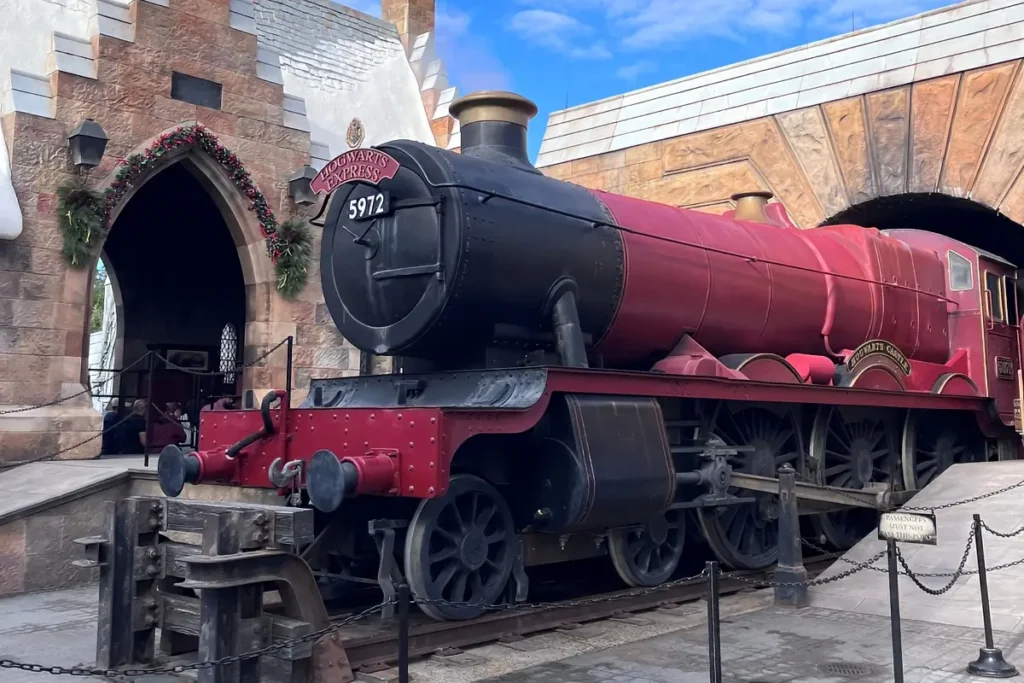
Not all film locations are open country. Many fans delight in visiting studio lots where movies were made. Major examples: Warner Bros. Studio Tour in Los Angeles or Burbank (DC/Upside Down World exhibits, Harry Potter sets), Universal Studios tours (Hogwarts Express, Jurassic World cafe), Pinewood Studios in England (007 exhibit) and Auckland’s Hobbiton (covered above as actual set). These require buying a ticket. On these tours, the line between location and set blurs: you walk actual soundstages and sometimes see ongoing filming. They often include explanatory narration or backlot street replicas.
A special case is when a location becomes a permanent attraction. Hobbiton was rebuilt with permanent materials after filming so it could be open as a tourist site. Another is the Forks Motel (hostel in Twilight, WA), which relocated the set structure into a gift shop. The economic payoff of preserving a location as an attraction can be huge. (New Zealand’s support for LOTR tourism – including government co-financing of remaster projects – shows how closely intertwined filmmaking and tourism promotion can be.) However, this can also raise ethical issues: is it respectful to commercialize a historic village or sacred land purely for fans? Travelers should note any requests from local custodians – for example, some studios ask visitors not to touch costumes.

Dubrovnik / Game of Thrones: Croatia’s Adriatic city is a prime case study. As noted, GOT brought over a quarter-million new tourists and tens of millions in revenue in just a few years. Local hotels and tour companies have thrived, but government and guides now emphasize sustainable tour pacing (smaller groups, spread over the day) and protect residential zones from too many cameras. Dubrovnik’s example shows both sides: film fame can transform a small town into a global destination, but requires careful planning by local officials to manage crowds.
Hobbiton / New Zealand: New Zealand’s economy openly leveraged LOTR success. The Tourism NZ and Hobbiton Tours reinvested in infrastructure (parking lots, visitor centers) and promoted Middle-earth itineraries. A survey found about 14% of NZ tourists cited LotR eller Hobbit as a trip motivator. This steady niche has helped local jobs in rural areas (e.g. Matamata guides). Lessons: involve the local community (Hobbiton employs hundreds of locals), and diversify offerings (themed hotels, extended film festivals) so the film’s legacy funds ongoing cultural and conservation projects.
Reshaping towns: Scenes like Rocky Steps have given Philadelphia extra tourist footfall, but without requiring new infrastructure – the city simply markets the statue and tours. In contrast, some remote places have had to invest heavily (African villages winning new roads to host a Mad Max shoot). Generally, economic benefits come when local authorities partner with film studios early, negotiate location fees, and ensure a portion of revenue goes back to community services. For travelers, choosing licensed operators and buying local crafts can support this positive cycle.

Which city has the most film locations? Data compiled by travel researchers suggests Los Angeles leads (543 films shot), followed by London (529 films) and New York City (319 films). The USA overall had over 1,500 movies in that dataset. Of course, many countries have one or two famous hubs (Bollywood in Mumbai, Nollywood in Lagos), but LA is the historic global film capital.
Can I visit film locations from movies/TV shows? Generally yes, if they’re public. Most locations we list (parks, towns, caves, monuments) are open to tourists or have public viewing areas. Some, however, are private (for example, real mansions or farms), in which case you need a permission or must book a tour. We always note if entry is restricted. If the location is private but was transformed into a tourist attraction (like Hobbiton), it will clearly state “tours available.”
How do I find where a movie was filmed? Start with online databases (Movie-Locations.com, IMDb Filming Locations, fan sites) and see if coordinates are given. Google “Film name filming locations”. Travel blogs and fan forums often have exact info (with walking directions). The SetJetters app and Google Arts & Culture virtual tours can locate some places. In ambiguous cases, search news articles from when filming occurred (some local news websites cover big shoots).
Are film locations private property or open to public? It depends. Exterior shots in public places (streets, parks, monuments) are accessible to everyone. Buildings used may still be private – e.g. Luke’s Skywalker’s home (Stjernekrigen) was on a private cattle farm in NZ (today it’s a short hike away on a marked trail, but inside is off-limits). Always check a location’s current status. Some places lock gates after movies, others have become public sites (e.g. Cinderella’s castle at Disneyland is private, but Neuschwanstein Castle in Germany [inspiration for Disney] has public tours).
Do I need permission to photograph or film at a location? If you’re using a simple camera or smartphone for personal photos, it’s usually allowed. For any commercial filming (even a short clip for YouTube) or drones, you often need a permit from the property manager or city. Major parks require film permits even for still cameras in some cases (e.g. Joshua Tree National Park in California). Street photography is mostly free (USA law generally allows filming in public), but check local laws in Europe or Asia where rules can vary. Always respect signs: if a manor says “No photos beyond this point,” abide by it.
What are the best tours for visiting movie locations? We covered types of tours above. Specialized film-location tour companies exist in many major cities (e.g. London’s Sherlock/Bond tours, New Zealand LOTR tours). Tour aggregators like GetYourGuide or Viator can list highly-rated options for your dates. Also consider official tourism board tours (like Jordan’s Petra tours, New Zealand’s Hobbiton tours) which often have film themes.
How to avoid crowds at popular film locations? The key is timing. Visit after or before the main tourist bus times (often 9–11 am and 2–4 pm). Early morning or late afternoon visits usually see 50% fewer people. For extremely famous spots (like the Steps of Montmartre in Paris for Amélie or Pisa for Angels & Demons), consider off-season (winter) or mid-week. Reading recent trip reports online can alert you to newly raised admission fees or timed entries that might control crowds (as with Petra or Angkor Wat).
Which film locations are best for families/kids? Look for sites with easy access and possibly an educational angle. The Discovery Erum (Eiffel Tower → Midnight in Paris), Jurassic Park set in Kauai (Hawaii) and the Universal Studio parks themselves are great for kids. On-location sites like Jurassic Rock (Stuart L. Park in Utah) are fun outdoor attractions. We’ve flagged family-friendly tips in the relevant sections above (e.g. stroller access at New York parks, restrooms at studio tours, etc.).
Most Instagrammable movie locations? Beauty is in the eye of the beholder, but some ultra-photogenic picks include: the Petra Treasury at sunset (Indiana Jones), Castle Rock in Vancouver (Supernatural series), Cinque Terre in Italy (James Bond: No Time to Die), and Kyoto’s Fushimi Inari Shrine (Memoirs of a Geisha). We have highlighted where known scenes coincide with famous vistas (Hobbiton, Villa del Balbianello, etc.). In many cases, the very popularity of a spot makes photos challenging – which is why off-peak timing matters even more for an “Insta-worthy” shot.
How has film tourism changed local economies? As shown with Dubrovnik and Hobbiton, host towns often see booms in hospitality and retail. This can lead to job creation in guiding, hotels and restaurants. However, it can also cause prices to rise (locals in Dubrovnik reported some rents and food costs going up with GOT tourism). Sustainable models try to distribute income locally: the Hobbiton example shows profits feeding back into New Zealand’s film tourism marketing.
What are ethical considerations when visiting film locations? Se Ethical Visiting section above. In short: minimize your footprint, respect rules, and remember that to locals these may be ordinary places. Don’t block roads or litter while reenacting a scene. Consider switching off drones if wildlife is present (e.g. flying around Patagonia should be avoided even if The Revenant was shot there). Always treat cultural sites with reverence – just because a movie made a site famous doesn’t change its history or importance.
Can you visit studio backlots (e.g., Warner Bros., Universal)? Yes – these offer official tours. Warner Bros. in LA has The Wizarding World of Harry Potter exhibit; Universal’s US parks recreate New York city streets and movie sets. In the UK, the Harry Potter Studio Tour (Leavesden, near London) is a top destination (book months ahead). These tours require tickets, often sold out on weekends. All the practical visitor tips above (crowds, cameras, etc.) apply here too.
Which film locations offer on-site museums or exhibits? Several do. For example, Oradour-sur-Glane in France (scene of a wartime atrocity shown in The Book Thief) has a museum. The Watts Towers Arts Center in LA (featured in Shaft) has info on filming. Many theme parks double as exhibits: e.g. Universal’s Bates Motel in Orlando. Outside amusement parks, check if a historic house or park has a small film exhibit (often a corner of a visitor center). For studio tours themselves (Warner, Universal, Weta, etc.), virtually the entire experience is an exhibit.
How accurate are tourist claims about where famous scenes were filmed? Be skeptical and double-check. Some “film tours” will claim a site was in a movie when it was not, just because the visual looks similar. For instance, Significant Exaggeration (a la North by Northwest at Rushmore) was done with models – the studio still built a mock-up, so tourists on site were never in that scene. Always verify with production notes or the Internet Movie Database (IMDb) where possible.
Lesser-known (underrated) film locations worth visiting? Yes! Examples: the Namibian desert (Mad Max), the salt flats of Bolivia (Star Wars Ep. VIII ice planet scenes), and a limestone quarry in Wales (X-Men Chimera‘s lair). In Europe, small towns like Korčula, Croatia (Part of Mamma Mia! scenes) or Bratislava, Slovakia (Holocaust drama The Painted Bird) see few fans. Often such gems turn up in local film commission news or specialized film-location blogs. We suggest the Skjulte perler section above for how to discover these.
How to plan a film-location itinerary by region? Our sample itineraries (above) are a starting point. Tips: group by geography (don’t drive 8 hours between two sites on opposite coasts unless you fly or train). In each area, mix a blockbuster site with an under-the-radar one to avoid fatigue. For instance, after Hogwarts Express at Glenfinnan, add Isle of Skye (for Stjernekrigen vistas) in the same Highlands trip. Create Google MyMaps with all points to estimate driving times. Remember to factor in non-film sightseeing too, especially on long trips.
What’s the best time of year to visit popular movie locations? We touched on this: align with local climate. Winter holidays see peaks at places like Petra and Machu Picchu (cool weather), whereas seaside or park scenes (Central Park, Petra) are best spring or fall. Never visit a desert in July; use off-season. Check if filming locations close seasonally: e.g. Hobbiton in NZ has no break, but Scottish castles might shut from Nov–Mar.
How much does a film-location tour cost? There’s a huge range. Self-driving (gas + park fees) can be cheapest. Budget guided city tours: $20–50 for a walking or bus tour focusing on films. Specialty guided tours (like a private 4×4 to Wadi Rum or a multi-day NZ LOTR tour) can run $500–2000+. Studio park tickets (Universal, Disney) are usually $100+ per person. Always ask what’s included – many tours quote per-person fees that include transport but not entry fees, so read the fine print.
Are there apps or maps for tracking film locations? Yes – besides SetJetters, there’s MovieMap and community-created Google MyMaps. Google Arts & Culture also has interactive tours (e.g. the 17 Virtual Tours list). On mobile, “Field Trip” or “GyPSy Guide” sometimes include movie trivia on location. For classic Hollywood, the Walking with The Stars app (for LA) shows which star lived where, and some mention their movies.
Which film locations have become overrun/at risk from overtourism? Dubrovnik and Hobbiton have already been mentioned. Others: Iceland’s Game of Thrones spots (Þingvellir, Mývatn, etc.) saw a jump in visitors after the show, straining fragile paths. Peru’s Machu Picchu (though mainly Indiana Jones tourism was pre-2010s, overtourism is now due to general tourism). Locations like the Lost Pyramid House (Costa Rica, from “The Legend of Zelda” video, not movie) show how social media can blow up interest. Whenever a site asks you to stay on marked trails or limits numbers, it’s wise to heed it – that’s local authorities responding to overtourism.
How do local governments protect/manage filming sites? Some create special permits or zones. For instance, Bhutan only allowed Doctor Strange film-makers after careful screening, to protect culture and environment. Ireland restricts drone flying over many sites. Film commissions sometimes negotiate with producers to limit ecological impact (such as no hillside explosions or no removing plant life). Meanwhile, many governments embrace film-tourism by creating visitor centers – e.g. New Zealand’s “Middle-earth locations map” or Israel’s “Promised Land tours” for biblical films.
What should I pack for visiting outdoor film locations? (See “What to pack” above.) Additionally, a notepad can be handy to jot scene details on the spot. Binoculars are useful in large outdoor sets (e.g. Stjernekrigen fortress shots in Norway, Skyfall’s Opera House in Iceland). A portable charger for your phone/camera will prevent battery drain on long days outdoors. And finally, a universal travel adapter if visiting international studios – they might have charging stations, but best to be prepared.
Where can I find behind-the-scenes filming anecdotes and trivia? The DVD/Blu-ray “making-of” extras are gold. Documentaries like Rebels in the Wild eller One Day in the Reel Life focus on location shoots. Many film commissions publish “Easter Egg” guides for locals (for example, Auckland’s Lord of the Rings set map). Lastly, cinema books and blogs (like Atlas of Wonders) have researched filming stories by location. We have sprinkled such trivia (like Kubrick’s Overlook design facts) throughout the site entries above.
Which film locations are closed or have changed since filming? Some do change. Timberline Lodge replaced a parking lot since Shining (so the viewpoint is slightly different). The house in Meads Bay (Turks & Caicos) used in Couples Retreat was renovated into a resort, no longer publicly visible. If in doubt, search recent news: e.g. a 2017 story noted that the real “Hobbit town” in Matamata is still thriving, but some homes seen on-screen are now private farms. It’s wise to check local tourism sites for “current status” or phrasing like “not open to visitors”.
How can I stay at or rent famous movie houses? Some films featured real lodging you can still book. For example, the Braveheart farmhouse (Swampscott, MA) became an AirBnB, or the Stjernekrigen Lars Homestead set in Abu Dhabi offers a desert hotel experience. Search for terms like “Airbnb [movie name] filming location”. Scream’s Ghostface house (in Pasadena) occasionally lists on VRBO. Notably, the director of The Notebook listed the actual North Carolina boathouse for rent at one point. Such rentals are rare and often expensive, but they exist. Always verify legitimacy (scams happen) and check if the location is still recognizable (houses often get remodeled).
Can visiting film locations influence a fan’s movie experience authenticity? Many fans report that seeing a location in person deepens their connection to the film’s story. For instance, standing in Dubrovnik’s Square of Doubt as Tyrion did, or on the green hills above Hobbiton, creates a “you are there” feeling. It can make the movie seem more real. However, beware of disillusionment: not everything looks exactly like on screen (lighting and film magic transform places). Some fans say it turns a fantasy into a tourist attraction (e.g. Disneyland’s Main Street vs. Superman’s Metropolis building, now glittery with ads). Overall, we believe respectful visiting enhances appreciation – it becomes both a history lesson and a personal adventure.
Legal restrictions on horror/controversial sites? If a location was used in a notorious film (serial killer house, cult site), the law usually doesn’t bar visits – but publicists might discourage tourism to tragedies. A few examples: people tried to visit the real house from Texas Chainsaw Massacre, but it had been staged elsewhere; however, fans still seek Bloody Bible Church (in rural areas) just for a photo (we don’t recommend trespassing). Horror movie sets in theme parks (like the Bates Motel at Universal during Halloween Horror Nights) are patrolled but open seasonally. In short, no special legal bans, but be mindful of others’ feelings – if a film location was a crime scene or disaster site, show sensitivity.
What are the best resources for deep research on film locations? Besides this guide, key resources include: Film commissions (e.g. New Zealand Film Commission’s location catalog), specialized databases (Movie-Locations.com), local archives (e.g. BBC Archives for UK locations), and film commissions of countries often list “This shot was filmed here.” Books like Hollywood’s Film Locations or region-specific guides (e.g. Chasing the Film for Australia/New Zealand) compile details from multiple movies. Our Ressurser section (below) lists many of these.
Respecting indigenous and sensitive sites: Many films were shot at culturally sensitive locations (ceremonial grounds, indigenous lands). When visiting, follow local advice: some places require an indigenous guide or limits on photography. For example, New Zealand Maori have guidelines about climbing on what was Mordor’s Mount Ngauruhoe – it’s tapu, so hiking is now discouraged. Similarly, in Australia the sacred Uluru (Ayers Rock) was climbed in older films but now tourists do not climb. Always read site signage or ask a local guide about taboos. The golden rule: admire respectfully, don’t alter or deface.
I en verden full av kjente reisemål, forblir noen utrolige steder hemmelige og utilgjengelige for folk flest. For de som er eventyrlystne nok til å…
Oppdag de pulserende nattelivsscenene i Europas mest fascinerende byer og reis til destinasjoner du kan huske! Fra den pulserende skjønnheten i London til den spennende energien...

Fra Alexander den stores begynnelse til dens moderne form har byen vært et fyrtårn av kunnskap, variasjon og skjønnhet. Dens tidløse appell stammer fra...

Hellas er et populært reisemål for de som søker en mer avslappet strandferie, takket være overfloden av kystskatter og verdensberømte historiske steder, fascinerende…

Frankrike er anerkjent for sin betydelige kulturarv, eksepsjonelle mat og attraktive landskap, noe som gjør det til det mest besøkte landet i verden. Fra å se gamle…


