



10 Nejlepších Karnevalů Na Světě
Od samby v Riu po benátskou maskovanou eleganci, prozkoumejte 10 jedinečných festivalů, které předvádějí lidskou kreativitu, kulturní rozmanitost a univerzálního ducha oslav. Odhalit…


8
porce25
zápis30
zápis170
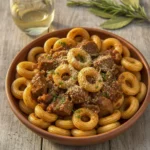
kcalFritule are Croatian mini doughnuts, traditionally linked with the coastal regions of Dalmatia, Istria, and Kvarner and served during Christmas, carnival, and family celebrations. This version uses a yogurt-based batter lifted with baking powder, studded with rum-soaked raisins, and scented with lemon and orange zest. The dough drops directly into hot oil in small spoonfuls, forming irregular spheres with crisp exteriors and soft, cake-like interiors. A final shower of powdered sugar balances the gentle tang of yogurt and the warmth of vanilla and rum. The method suits both experienced bakers and cooks who seldom fry at home, provided the oil temperature stays steady. Serve fritule as a dessert, a late-night snack with coffee, or a sweet bite on a mixed Croatian dessert platter.
40 g raisins (about ¼ cup), chopped if large - Provide small bursts of sweetness; chopped pieces distribute more evenly.
2 tbsp dark rum or fruit rakija, plus 1 tbsp warm water - Softens the raisins and infuses a gentle aroma; the warm water keeps them plump.
300 g all-purpose flour (about 2½ cups), sifted - Base of the batter; sifting gives a smoother mixture.
8 g baking powder (2 tsp) - Gives lift and a tender crumb.
½ tsp fine sea salt - Balances sweetness and sharpens flavour.
70 g granulated sugar (about ⅓ cup) - Sweetens the dough and aids browning.
Finely grated zest of 1 unwaxed lemon - Provides classic citrus aroma.
Finely grated zest of ½ orange (optional but traditional in many regions) - Adds deeper citrus notes and a mild bitterness.
2 large eggs, at room temperature - Bind the batter and contribute to structure.
250 g full-fat plain yogurt (about 1 cup), at room temperature - Keeps the interior tender and slightly tangy.
1 tsp vanilla extract or 1 sachet vanilla sugar - Rounds out the flavour with warm sweetness.
900 ml neutral oil with high smoke point (sunflower, canola, or refined peanut) - Suitable for deep frying; neutral taste lets the aromatics stand out.
Powdered (icing) sugar, for generous dusting - Clings to the warm fritule and adds sweetness.
Alcohol-free option: Soak raisins in orange juice or strong black tea rather than rum or rakija.
Dairy-free version: Replace yogurt with the same weight of thick plant-based yogurt and add 1 tbsp neutral oil to the batter for richness.
Egg-free version: Substitute each egg with 60 g unsweetened applesauce; texture becomes slightly denser but still tender.
Gluten-free version: Use a 1:1 gluten-free all-purpose blend with xanthan gum; batter may thicken slightly, so add 1–2 tbsp extra water if needed.
Soak the raisins.
Combine raisins, rum (or alternative liquid), and warm water in a small bowl. Let stand until plump, about 15 minutes.
Prepare the dry mix.
In a medium bowl, whisk together flour, baking powder, salt, and sugar until evenly combined, about 1 minute.
Add citrus and vanilla.
Fold lemon zest, orange zest, and vanilla into the dry mixture so the zest disperses without clumping, about 1 minute.
Mix the wet ingredients.
In a large bowl, lightly beat the eggs, then whisk in the yogurt until smooth and uniform, about 2 minutes.
Combine wet and dry.
Add the dry mixture to the yogurt mixture in two additions, stirring gently with a spatula or wooden spoon until no streaks of dry flour remain, 2–3 minutes.
Fold in raisins.
Drain any excess soaking liquid from the raisins, then fold them through the batter so they sit evenly in the mixture, about 1 minute.
Adjust batter consistency and rest.
The batter should resemble thick cake batter that drops slowly from a spoon; if very stiff, add 1–2 tbsp milk, if very loose, sprinkle in 1–2 tbsp flour. Cover and let rest at room temperature for 10 minutes.
Zahřejte olej.
Pour oil into a wide, heavy pot to a depth of 5–6 cm and warm over medium heat until it reaches 170–175°C (340–350°F); check with a thermometer or by dropping in a small piece of batter that should rise and brown slowly in about 1 minute.
Shape the fritule.
Working in batches, scoop small portions of batter with a teaspoon and push them off with another spoon directly into the hot oil, aiming for balls about 2½–3 cm wide.
Fry to deep golden.
Fry 6–8 fritule at a time, turning them with a slotted spoon to cook evenly, until deep golden brown and puffed, about 3–4 minutes per batch.
Drain well.
Lift the fritule onto a tray lined with paper towels and let excess oil drain for 1–2 minutes.
Dust and serve.
While still warm, sift powdered sugar generously over the fritule and serve at once, or keep them on a wire rack while you finish remaining batches, 5–10 minutes.
Od samby v Riu po benátskou maskovanou eleganci, prozkoumejte 10 jedinečných festivalů, které předvádějí lidskou kreativitu, kulturní rozmanitost a univerzálního ducha oslav. Odhalit…
Ve světě plném známých turistických destinací zůstávají některá neuvěřitelná místa pro většinu lidí tajná a nedostupná. Pro ty, kteří jsou dostatečně dobrodružní, aby…

Benátky, okouzlující město na pobřeží Jaderského moře, fascinují návštěvníky svými romantickými kanály, úžasnou architekturou a velkým historickým významem. Hlavním centrem tohoto…

Objevte živé scény nočního života těch nejzajímavějších evropských měst a cestujte do nezapomenutelných destinací! Od pulzující krásy Londýna po vzrušující energii…

Od vzniku Alexandra Velikého až po jeho moderní podobu zůstalo město majákem poznání, rozmanitosti a krásy. Jeho nestárnoucí přitažlivost pramení z…
